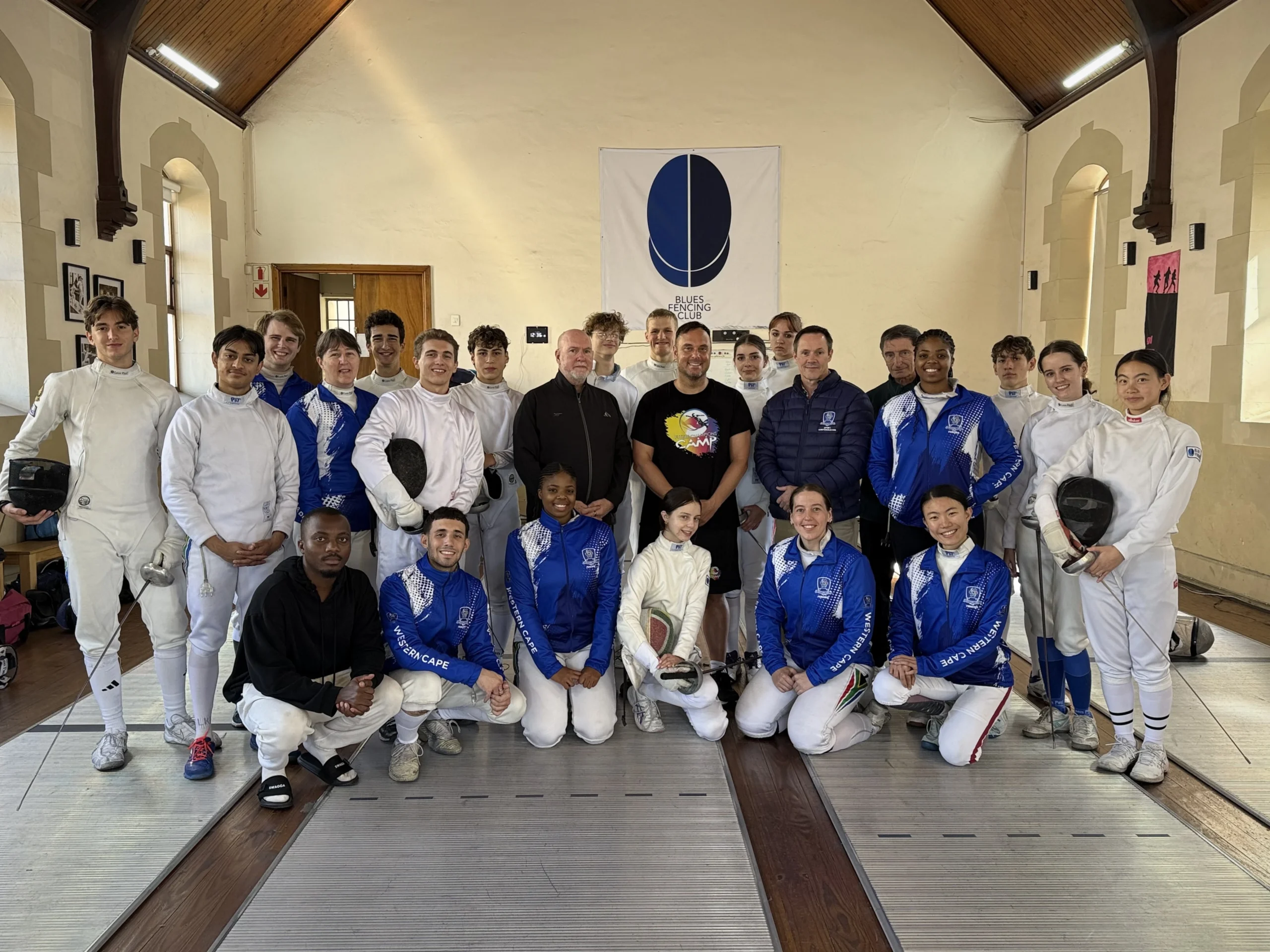
The Western Cape fencing community is embarking on an unprecedented competitive season, characterized by a rigorous schedule of international training, global championships, and high-stakes national trials. Athletes Lexi Lancaster, Gemma Bellini, and Raqua Ishmael are leading this charge, highlighting the intensive preparation required for the triple international year ahead. As a formal member of the Western Cape Provincial Sport Confederation, Western Cape Fencing continues to uphold the standards of athletic excellence and provincial representation that define the region’s sporting landscape.
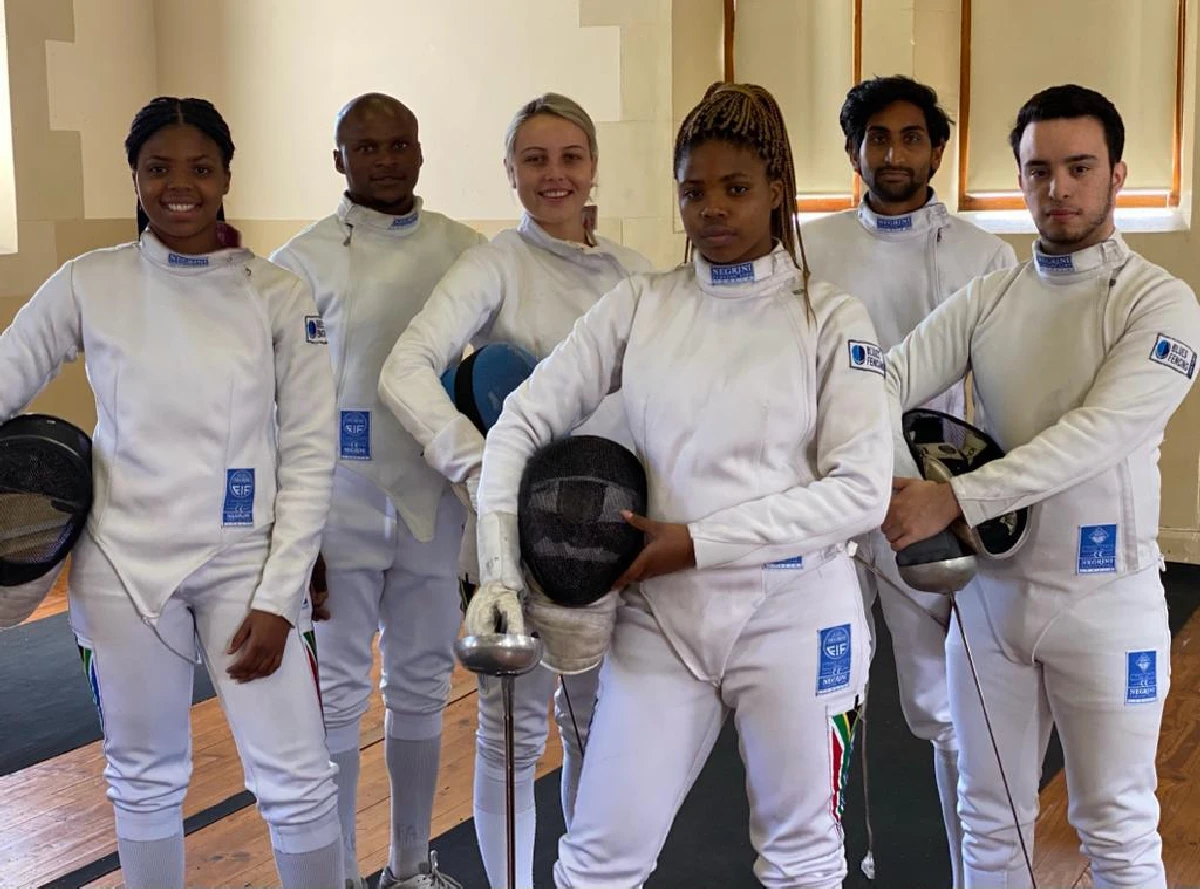
A significant highlight of the current season is the selection of Gemma Bellini for the International Olympic Committee (IOC) training camp in Cairo, Egypt. Bellini is one of only three fencers selected from across the African continent to participate in this elite program. Reflecting on the opportunity, Bellini noted the immense value of the exposure, which serves as a critical precursor to her participation in the Under-17 and Under-20 World Cup competitions. The broader senior squad, including Lexi Lancaster, is concurrently preparing for a demanding trifecta of major events: the Senior African Championships in Senegal, the Senior World Championships, and the Commonwealth Fencing Championships. Lancaster emphasized the scale of the commitment, noting that it is a significant international year that requires balancing local training with global performance standards.
Beyond the physical athleticism, fencing remains one of the most intellectually demanding sports, often described by practitioners as physical chess. Raqua Ishmael, who trains at the Blues Fencing Club, explained that the sport is as much about mental strategy as it is about physical speed. In the foil discipline particularly, the right of way rule dictates scoring, requiring fencers to stay several moves ahead of their opponents. Modern competitive fencing is a highly technical endeavor. Ishmael described the experience of being plugged in to digital scoring systems that utilize electronic sensors to monitor hits on valid target areas. While the action is fast-paced, Lancaster was quick to clarify common misconceptions about the sport’s intensity, noting that while the movements are aggressive, the specialized protective equipment and blunt weaponry ensure safety is the top priority.
The immediate focus for the provincial team is the South African National Championships in Johannesburg. This event serves as a primary battleground for national titles across various age categories. For athletes like Ishmael, the tournament is a chance to showcase the immaculate vibes and technical growth fostered within their home clubs. Despite the individual nature of the sport and the fierce rivalries that develop on the piste, the Western Cape fencing community maintains a unique culture of mutual respect. Lancaster observed that while her toughest opponents are often her own club mates, the bond off the piste is unbreakable. This balance of internal competition and collective support has been a key factor in the region’s ability to represent the Western Cape Provincial Sport Confederation with distinction.
As the season progresses, the focus will shift toward the African Championships in Senegal and further World Cup circuits. The trajectory of Western Cape fencing continues to trend upward, with local athletes increasingly asserting their presence on the international stage while maintaining a robust and supportive big fat family atmosphere at home.